

Retail POS Software Singapore: What Growing Stores Need Next
Checkout is table stakes. Growing retailers struggle with stock accuracy, multi-store transfers, and online-offline consistency.
This guide covers what Singapore retailers should prioritise after basic POS. Visit SleekDigital for a software development company in Singapore that builds retail ops layers.
SectionAfter POS: The Real Gaps
- Live stock across outlets
- Purchase and receiving routines
- Staff task apps for floor teams
- Omnichannel order status
- Promotions that do not break inventory
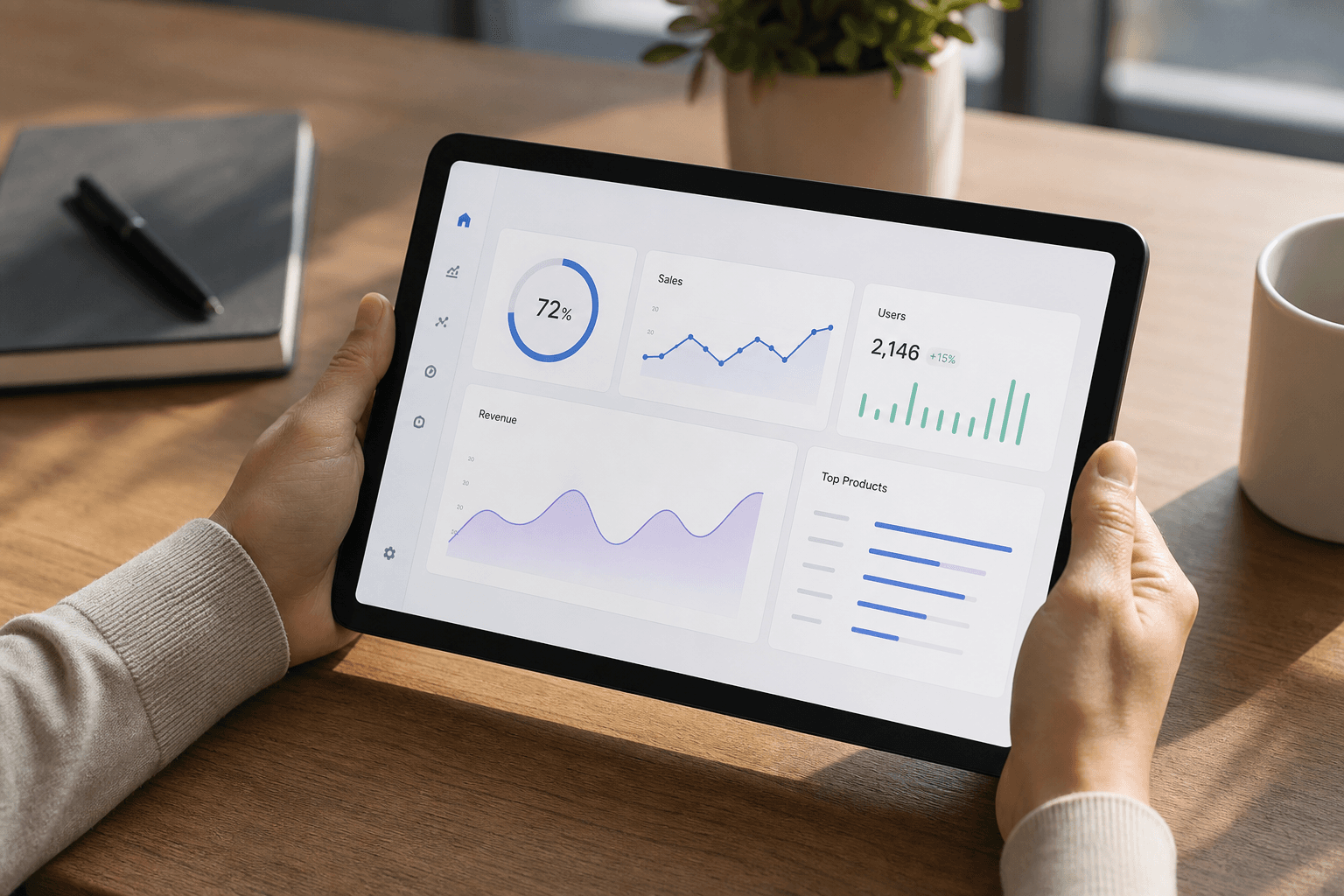
- Owner reports without spreadsheet exports
SectionWhen to Customise
Stay with packaged POS while it fits. Add custom layers when marketplace sync, wholesale pricing, or store operations become the bottleneck.
Related: inventory management software Singapore, ecommerce app development Singapore, and m-commerce development.
SectionPractical Architecture
Many retailers keep POS for payments and build a custom ops system around stock and fulfilment. That hybrid often beats forcing one tool to do everything.
See custom software development and API integration services Singapore.
SectionHow SleekDigital Helps Retailers
As an app developer in Singapore, we start with the stock and order exception flows that create the most daily pain.
SectionNext Step
If your stores argue about stock numbers every week, let’s map the next system layer.
Overview on the homepage.
Written by
Lester Law
Building custom software solutions for Singapore businesses. We help companies transform their operations with mobile apps, web platforms, and enterprise systems.